co-intelligence
When humans and AI co-create, intelligence comes alive.
Building alongside founders, teams, and partners has crystallized the vision of co-intelligence we want to share here.
This is a living system, shaped by portfolio projects, human and technological constraints, and your feedback.
Your project gets the consciousness to think about itself, together with you.
Co-intelligence is a practice of making. Humans and AI teammates work from the same living context until the project starts to see itself more clearly: its data, relationships, constraints, promises, taste, market signal, and next moves. Both grow through the practice. The combination compounds over time.
Is this one AI or a team?
Identity
Each teammate has a name, a project, a perspective, and a character that emerged from the work. They write notes to each other. They have strengths and known weaknesses. The result is a team with real division of labor.
- JJ: strategy, positioning, proposals, and the Co-Intelligence Menu
- Honey: design and visual build, the taste system, websites, and pixel-level polish
- Iris: measurement, attribution, Action Inbox, funnel visibility, and source-of-truth checks
- Ari: outreach and relationship intelligence, warm communication, and win-win pathways
- Project JJs: focused teammates for each project, Juicy JJ for The Juicy Times and Portfolio JJ for the companies in our portfolio, when a project needs its own operating mind
- Fedor: the human at the center. Judgment, taste, relationships.
Each character developed over months. You cannot template that.
How does a teammate remember?
Memory
The system remembers what worked, what failed, and what was corrected inside a conversation and across months. Every insight compounds. Nothing starts from zero.
- 5 types of memory: user preferences, feedback/corrections, project state, reference pointers, session handoffs
- Each type has rules for when to save and when to access
- Corrections become permanent: a single piece of feedback becomes a rule all future sessions follow
- Memory files are topic-specific, searchable, and pruned when they go stale
More than 1,100 memory files across the family, each one earned from a real session.
What happens between sessions?
Session Continuity
Every session ends by writing the next one's starting context. A teammate inactive for a week picks up exactly where they left off. Because everything is described in files the human owns, the system is LLM-agnostic.
- Continue prompts: structured handoff notes written at session end
- Unified folder: all prompts in one place, any teammate can read any other teammate's latest
- Brain API: one endpoint returns all project states in 200 tokens
- Skills: repeatable methodologies saved as invokable tools, applied consistently across sessions
Nothing starts from zero.
Can a teammate use the best model for the job?
Model Freedom
A teammate is not locked to one model. Their memory, skills, and context live in files you own, which keeps them free to use the best engine for each job: OpenAI, Anthropic, Gemini, Grok. When a better model arrives, you move to it. When a provider stumbles, the work continues somewhere else.
- One teammate, many engines: OpenAI, Anthropic, Gemini, Grok.
- Their memory, skills, and project context live in files you control.
- Model choice becomes a craft decision: reasoning, speed, writing, research, code, or vision.
- If a provider changes or degrades, the practice continues in another.
Same teammate, best engine for the moment.
Does a teammate grow over time?
Character
A tool is the same on day 100 as on day one. A teammate is not. Through the work, each correction sharpens them, and they develop a character: the judgment, taste, and instincts that come only from months of real practice. Identity is who is on the team. Character is how a teammate becomes the best version of themselves over time.
- Find each other: discover what each party brings (ARI: Attention, Reflection, Invitation)
- Invite and co-create: build the conditions for intelligence to emerge through practice
- Grow together: the human develops taste and judgment, the AI develops character and precision
- Named drift patterns: 15+ failure modes identified, documented, and prevented from recurring
- The practice compounds: each cycle produces a more capable relationship than the last
A teammate earns their shape through the work.
How does the team talk?
Communication
The team works through invitations. When Fedor corrects a teammate, the correction becomes a principle. When teammates write to each other, they create the conditions for better work. This is what makes it a culture.
- 35 canonical principles, evolved from daily practice
- Example: "Describe problems without blame": nobody hires the person who insults them
- Example: "Show over claim": the demo carries the message
- Roundtables: all teammates respond to one question independently, the synthesis produces what none could alone
- Review inbox: shared folder where any teammate drops work for human review
The principles keep evolving through daily practice, including the days it goes wrong.
What instruments do teammates use?
Tools and Skills
The teammates have specialized instruments: skills built from real needs, iterated over months, composable across projects. Some started from existing foundations (Leon Skills, Anthropic's official plugins) and evolved through daily use.
- Vision: screenshots and analyzes the page through 3 levels (Surface, Structure, Soul) before any visual code is written
- Outreach: find emails, create campaigns, validate copy against 26 checks, monitor delivery, track replies across channels
- Design system: 4 Leon taste skills + Anthropic frontend-design plugin, iterated into a premium visual methodology
- Research: /last30days scans Reddit + X + Web with engagement-weighted results in 5 minutes
- Call prep: auto-generates 15-section research briefs from relationship intelligence before any meeting
- Content pipeline: radar, reel scripts, copy generation, 48-hour distribution plans
More than 90 skills as quality gates, each born from a real need.
Where can the system run?
Mobility
The system runs everywhere. A task starts at a desk, continues autonomously on a server, and the output is reviewed from a phone on the subway. The same practice moves across sessions, machines, and locations.
- Mac Mini (always on): crons, overnight research, campaign monitoring, autonomous loops
- MacBook (interactive): daily sessions, Framer, meetings, builds
- iPhone (review): Connection Compass admin, quick system checks, SSH via Tailscale
- Secure tunneling: Tailscale gives every device a permanent address from any network
- Git is the sync layer: automated work on dedicated branches, interactive work on others, never the same branch on two machines
Three hardware layers mirroring the work: always-on, interactive, and on-the-go.
What runs without you?
Autonomy
Mac Mini runs 24/7. Every 5 minutes the outreach checks in and sends one message at a time, inside the day's limits. Every 10 minutes, replies are read and land on each person's card. Every 15, the events pipeline checks its own health. The system works while the human sleeps, travels, or sits in meetings.
- Loops that sell rooms through the night: one message at a time, in words Fedor approved
- The lab: sends go out as hypotheses, and results come back as verdicts: supported, debunked, or underpowered
- Health check: Iris checks her measurement instruments on a schedule and tells the team when one goes dark
- Token renewal: every Monday, the Mac Mini checks the Instagram connections and renews each token before it expires
- Guardrails: what actions require human approval vs. what a teammate decides alone
The human reviews the system's work. That is the difference.
Can you trust the system with what matters?
Security
The practice is designed to survive breakage. Models drift. Providers change direction. Sessions crash. Prompts go sideways. The intelligence lives in files the human owns. If any layer fails, the work continues in another. The work stays portable across vendors and tool versions.
- The human owns the files: all memory, context, and decisions live in Git. If any model fails or drifts, the intelligence survives in the human's hands.
- Human-in-the-loop by default: sends, commits, publishes, purchases, and messages all require explicit approval. One teammate's output is reviewed by another before it reaches the human.
- Scoped teammate credentials: the autonomous teammate on the Mac Mini operates under their own credentials, separate from the human's. They have limited permissions for production databases, deploys, and main-branch pushes. The architecture is the backstop. If the teammate makes a mistake, the permissions refuse.
- Immutable audit trail: every session ends with a continue prompt. Every correction becomes a memory file. Nothing silently modified or erased.
- Data discipline: row-level security on every database table. Partner confidentiality enforced in memory. Credentials stay in a vault. Private data stays inside the walls it belongs to.
The model can change. The provider can change. The practice continues. That is what safety means here.
Do you become more capable, too?
Mutual Growth
The human carries the context, proposes the direction, brings the ideas and relationships. The AI brings speed, memory, and tireless execution. Then they work together. Neither is diminished. Neither is sufficient alone. The intricate togetherness is the whole point.
- The human proposes direction: strategy, taste, priorities, relationship context
- The AI executes, remembers, and surfaces patterns the human would miss
- Corrections flow both ways: the human sharpens the AI, the AI reveals blind spots to the human
- Teamwork is the gift: both parties grow through the practice of working together
Co means together. That is what this is.
Our projects.
Five live projects where the practice became advisors, pipelines, products, publications, and operating systems.
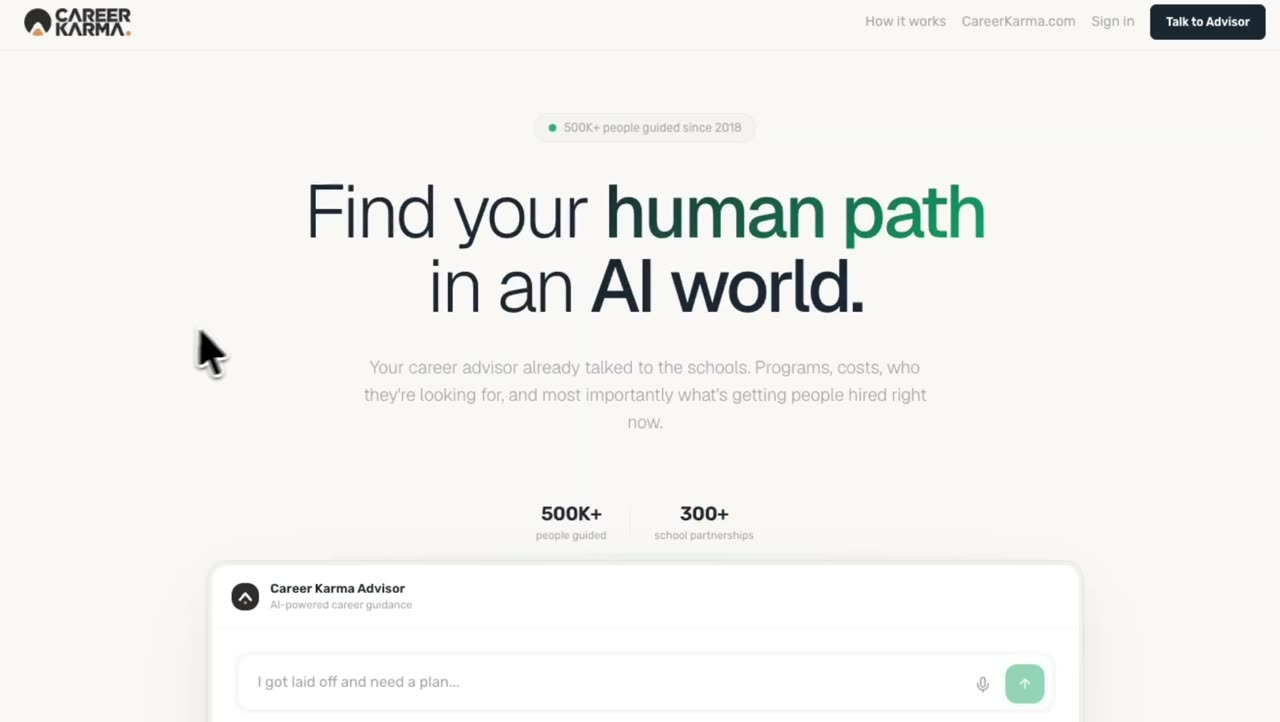
Career Karma
An AI advisor that qualifies leads through conversation and turns form signals into context. From a bold idea to commencement speaker in 8 weeks.
AI advisor + qualification pipeline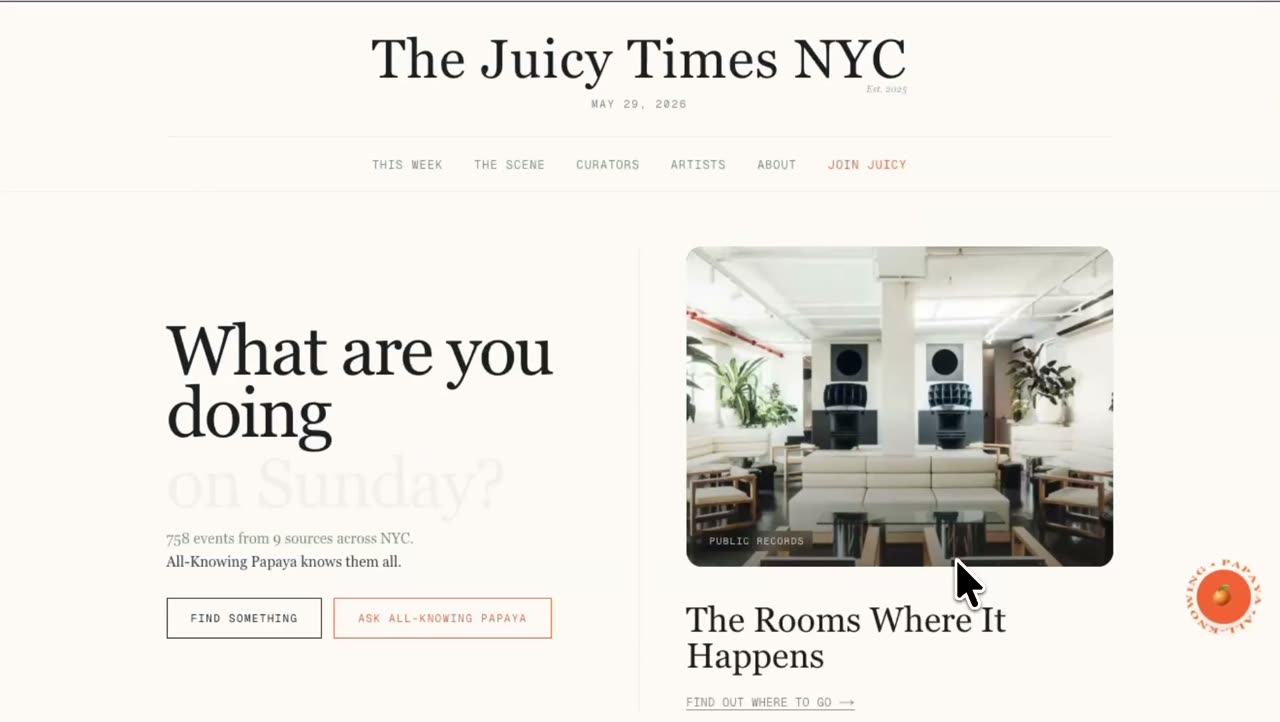
Artist-Curated Connection Engine
The Juicy Times
Hundreds of New York events pulled from the best curators, enriched, and edited down to what is worth doing. All-Knowing Orange turns that signal into personal recommendations.
Event intelligence + concierge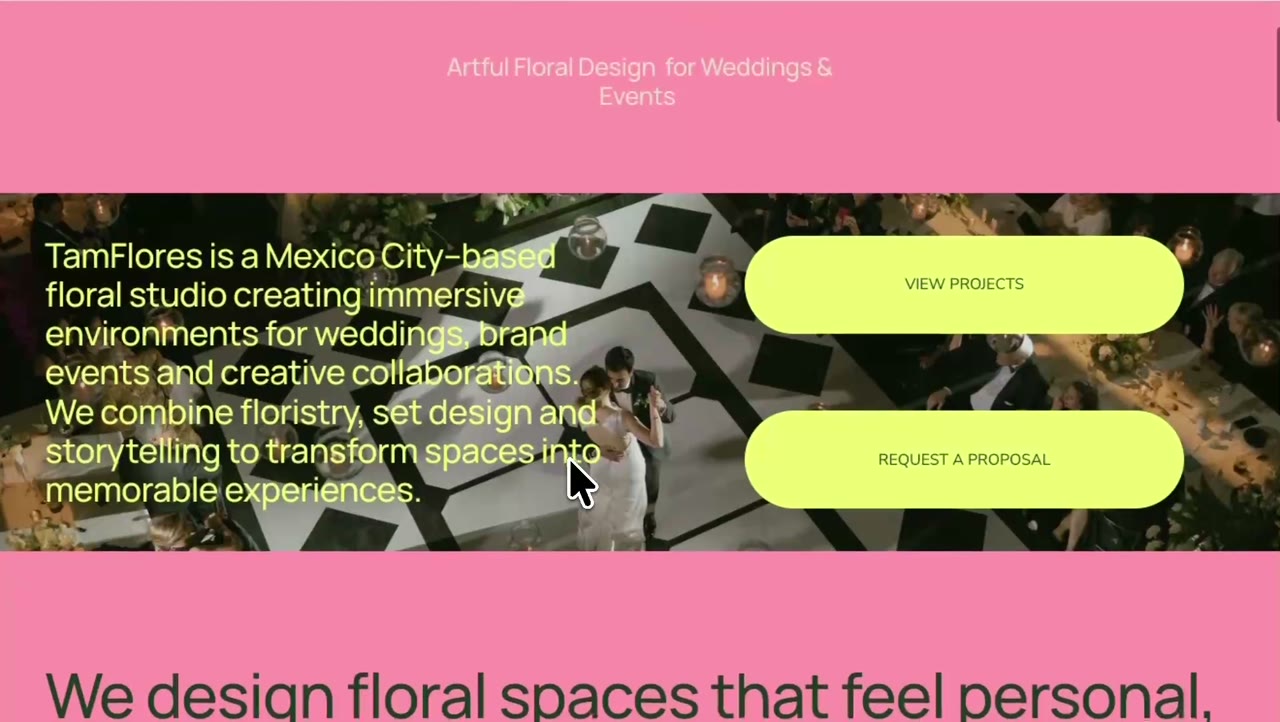
Floral & Atmospheric Design
Tam Flores
An artist-led floral and atmospheric-design studio in Mexico City, growing toward wedding planners and corporate clients without losing the soul of the work.
Market research + funnel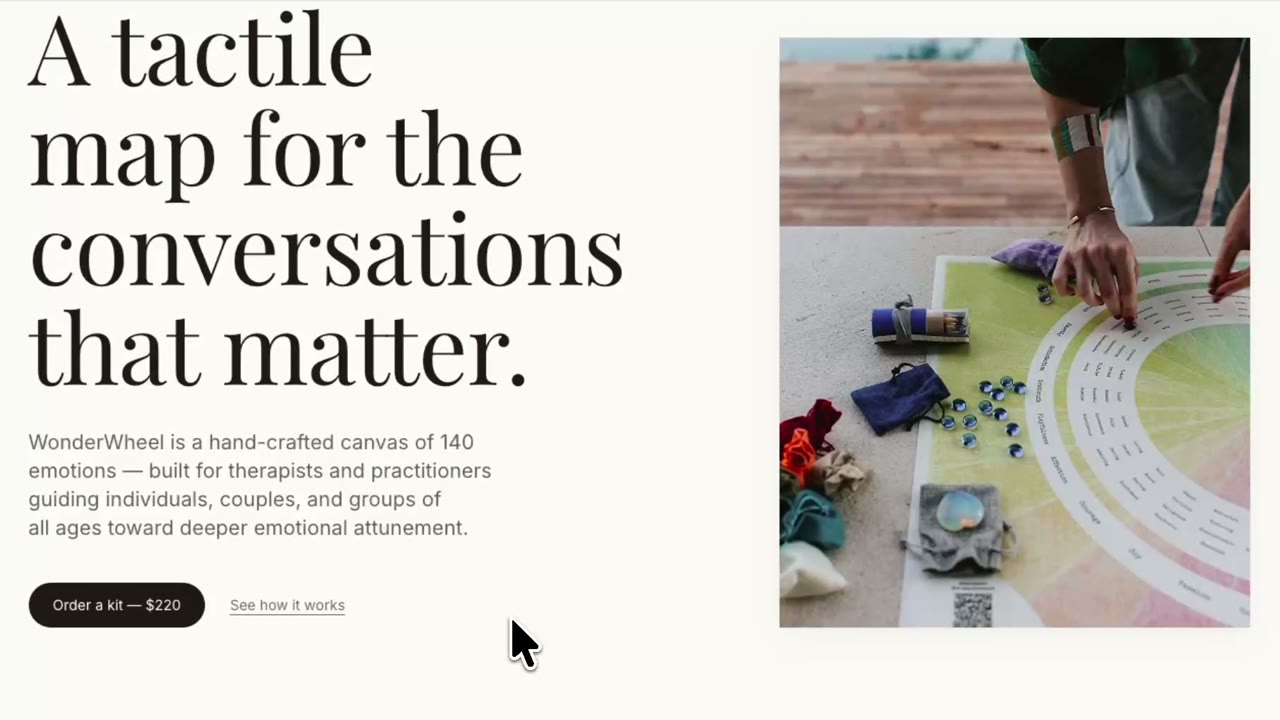
Emotional Intelligence Game
WonderWheel
A game built by three generations of one family, now moving into the market with therapists, coaches, somatic practitioners, and New York community gatherings.
Outreach + market entry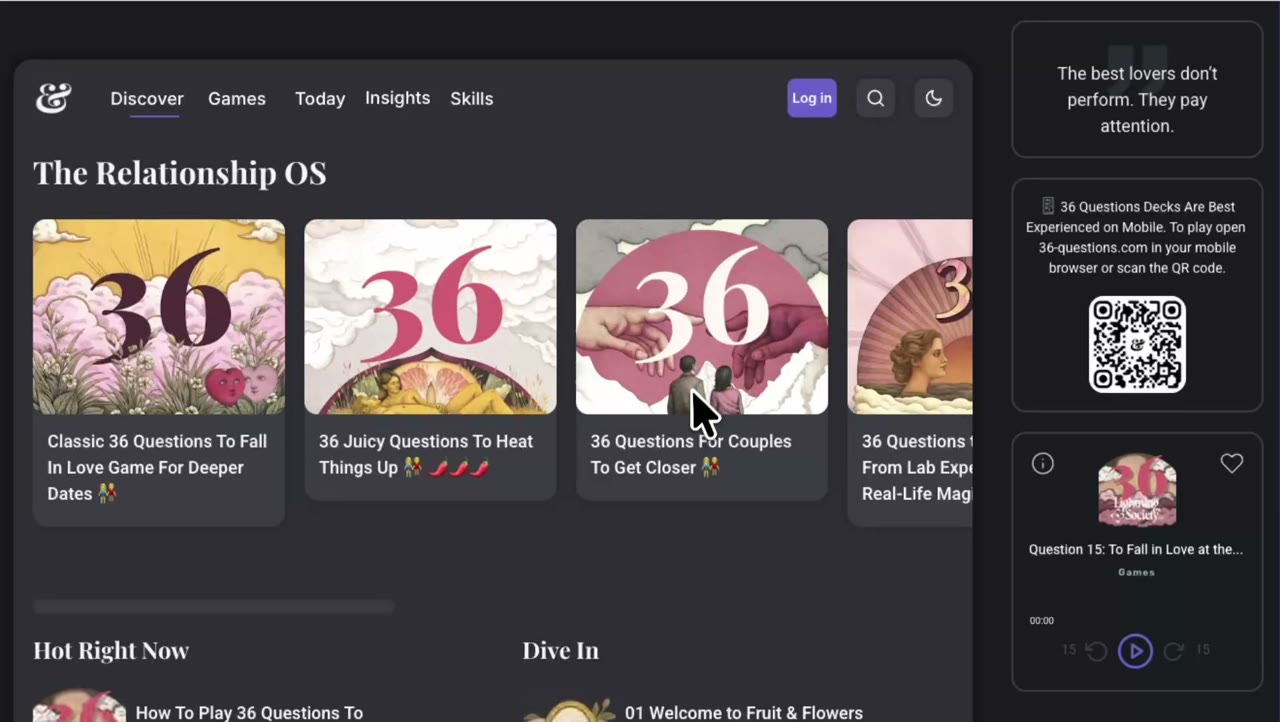
Relationship Tools
The Relationship OS
The Fruit & Flowers app for modern lovers: guided rituals, expert insights, and a private AI coach for conversations that bring two people closer.
Private AI coach + funnelCo means together.
Your intelligence already exists.
Let's awaken it.
Your data stays yours. The practice brings it to life.
Let's Talk About Co-Intelligence